



By: Saadati Khatib, YES High School exchange alum and Global Impact Grant recipient
The Beekeeping for Mangrove Protection project aimed to promote the conservation of mangrove ecosystems through sustainable beekeeping practices in Tanzania. Mangrove forests play an important role in climate change mitigation, carbon sequestration, coastal protection, and biodiversity conservation. The project was designed to support mangrove protection while providing alternative livelihood opportunities for local community members and increasing awareness about the importance of conserving these ecosystems.
The project had three main objectives. The first was to protect and sustain mangrove ecosystems and maintain their role in climate regulation, carbon sequestration, and coastal and biodiversity protection. The second objective was to provide an alternative source of livelihood to community members in order to reduce their dependency on mangrove resources. The third objective was to train and engage young individuals in beekeeping activities, helping to promote community ownership and long-term sustainability of the initiative.
Several key activities were conducted during the implementation of the project.
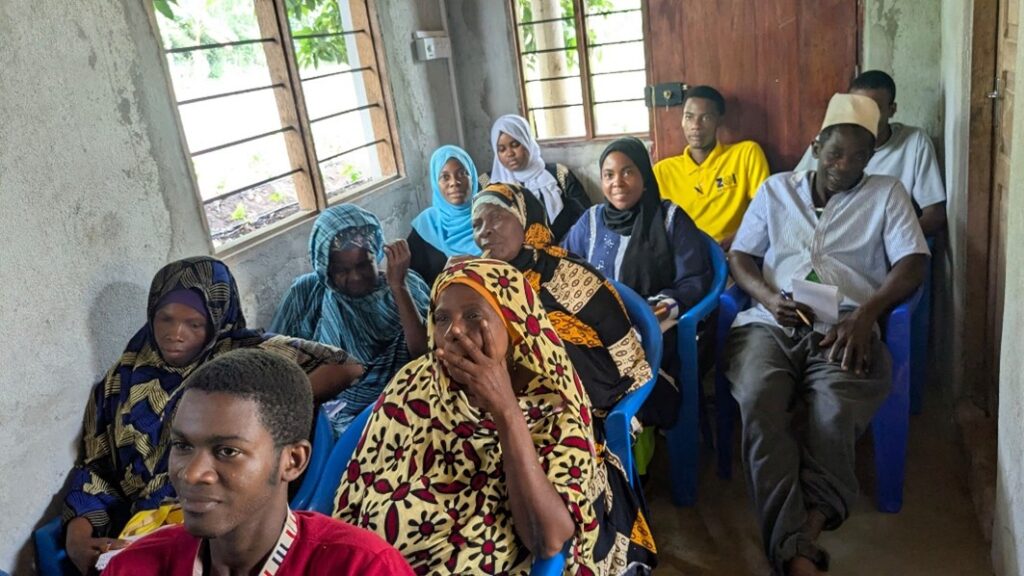
- Training: A six-day training session was organized for local participants and facilitated by the Zanzibar Volunteers for Environmental Conservation (ZAVECO).
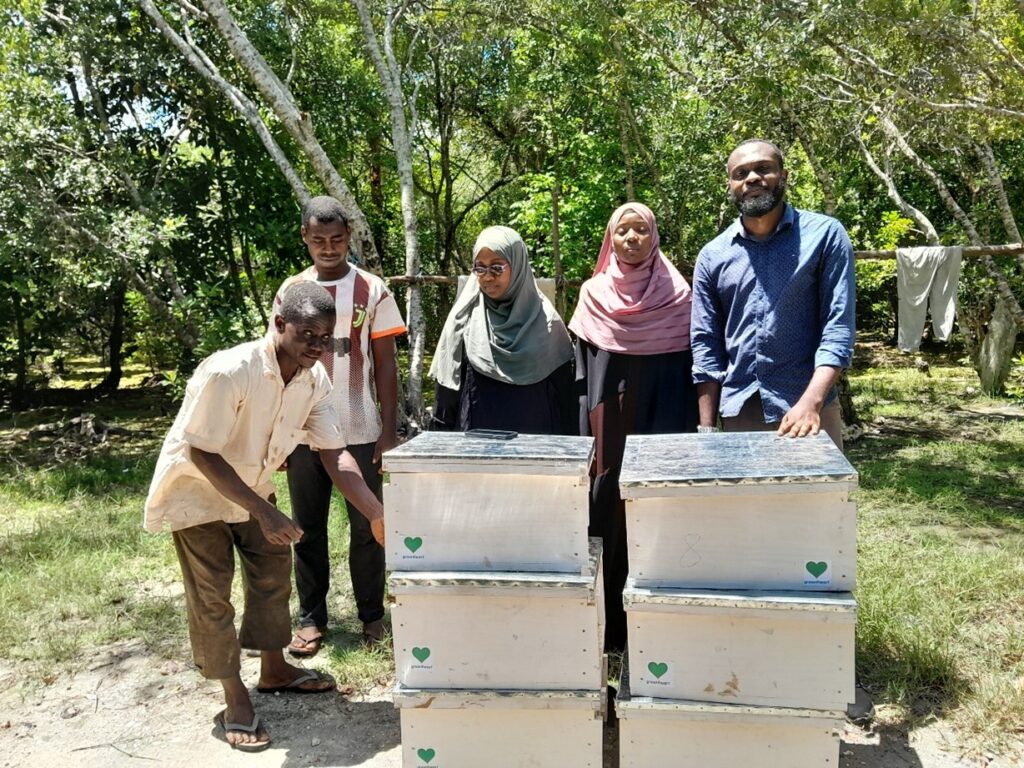
- Procurement: A total of 10 beehives were purchased from a local organization and provided to the trained participants to support the start of their beekeeping activities.
- Purchasing: Ten bee suits were purchased from Dar es Salaam in mainland Tanzania to ensure the safety of participants when handling bees and managing hives.
As part of strengthening the capacity of the project beneficiaries, all 10 trained beekeepers were invited to participate in the World Bee Day commemoration held on 21 May 2025. The event was organized by ZAVECO and included a specialized training session on bee pest and disease management. The training helped participants better understand common pests affecting bee colonies and how to manage them.
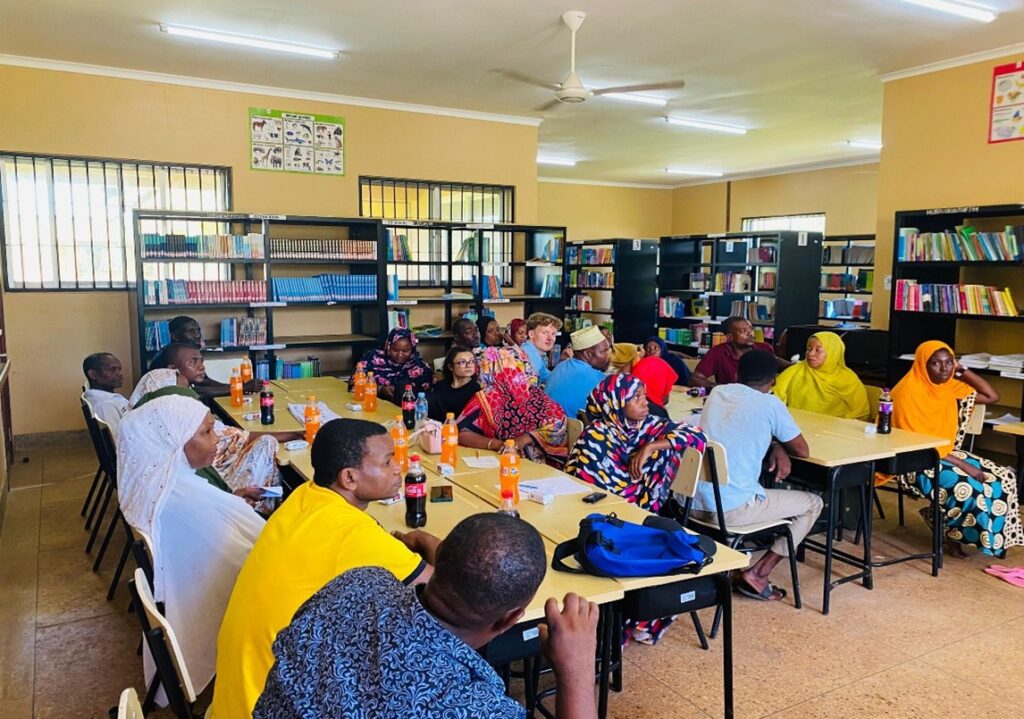
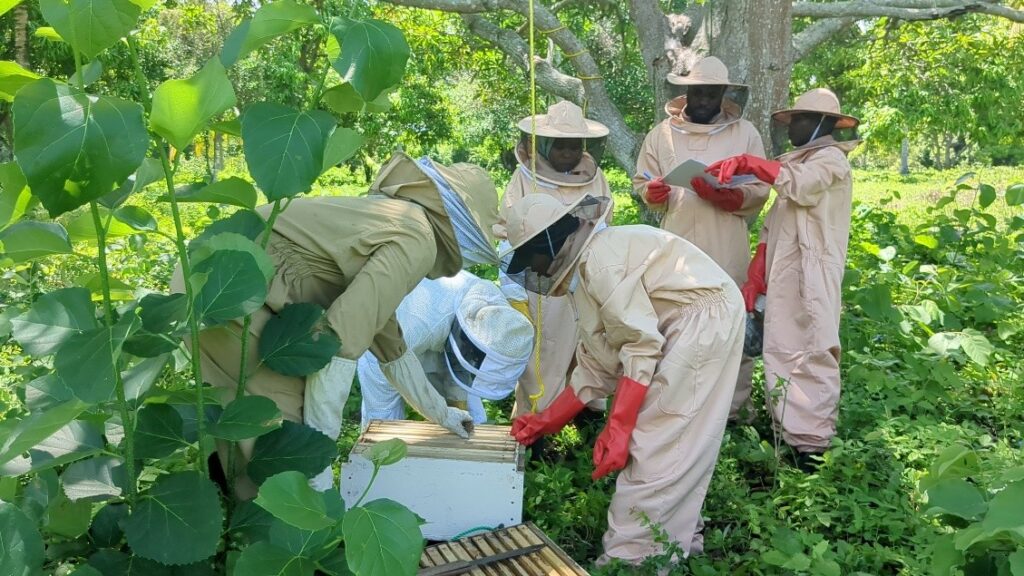
The project has achieved several key outcomes. Ten individuals were successfully trained in beekeeping and hive management. A total of 12 beehives were established, including 10 purchased through project funds and two additional hives donated by ZAVECO. Out of these, five hives have been successfully colonized by bees.
During the implementation of the project, several important lessons emerged. One key lesson was the importance of building local capacity through training. When community members gain the skills and confidence to manage their own beehives, beekeeping becomes more sustainable and effective as a livelihood activity. Regular monitoring of hives also proved essential, as it allows beekeepers to detect pest problems early and respond before the colonies are affected.
The project has made encouraging progress in linking beekeeping with mangrove conservation. Despite challenges such as pest infestations, local beekeepers have been successfully trained and several hives have been established within the community. With continued monitoring, technical support, and collaboration with experienced partners such as ZAVECO, the project has strong potential to support community livelihoods while contributing to the long-term protection of mangrove ecosystems.
Got a project in mind? Earn up to $2,000 for an opportunity to create, improve, or maintain a community-focused project abroad or at home. Follow Greenheart on Facebook and Instagram to see when the next application window opens.
Click here if you’d like to donate to help Greenheart fund Global Impact Grants like these.